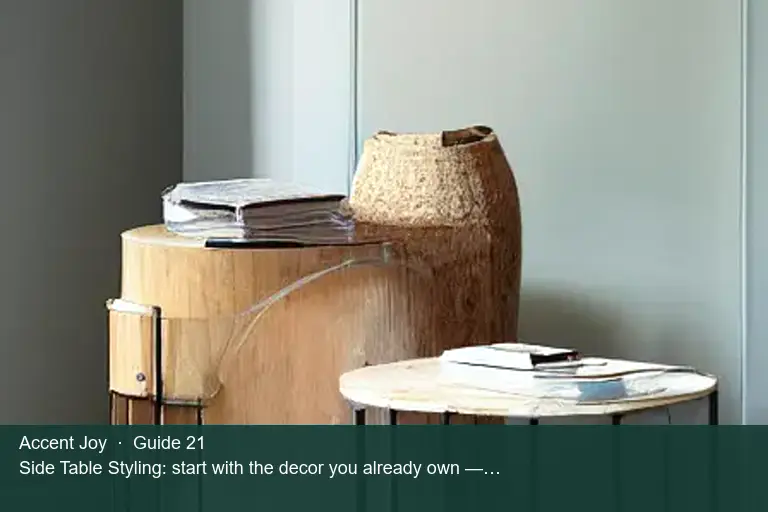
Side Table Styling: start with the decor you already own — labeling scheme for a first display plan; setup for two people
Side table styling: start with the decor you already own — labeling scheme for a first display plan; setup for two people
In today's digital age, side tables have become an essential component of any modern home, whether they're for entertaining guests or storing personal items. However, when it comes to side table styling, one must start with the decor you already own—namely, the labels on the tables themselves. The right label can not only enhance the aesthetics of your side tables but also make them functional and more accessible to guests. This article will guide you on how to create a first display plan for your side tables using the labels you already own, and how to setup them for two people.
The first step in creating a side table display plan is to select your side tables. Consider the size and style of your home, and choose a few side tables that complement each other. For example, if you have a large living room, you might select a larger side table, while a smaller living room might prefer a smaller side table. Selecting the right size and style of your side tables will determine the overall look and feel of your home.
Next, determine the labels you want to use on your side tables. The labels on side tables are typically found on the back of the table, next to the knobs or buttons that turn the table. These labels can be anything you choose, from a simple text label to a more elaborate design such as a decorative label with a photo or a series of images.
For the first display plan, you should start by labeling your side tables. Begin with a simple text label that describes the purpose of the table, such as "Entertaining" or "Personal Items." Make sure the label is large enough to be read from a distance, but small enough not to clutter the table.
Once you've labeled your side tables, it's time to create a display plan. The display plan will be a visual guide to your side tables, and it's essential to include a clear concept that helps guests understand how to use the tables. For example, you could create a display plan that suggests guests use the table for entertaining guests, or that suggests guests use the table for storing their personal items.
To create the display plan, start by drawing a grid that will help you visualize the layout of your side tables. This grid will help you determine how many side tables you need for each person, and what their space requirements are. Next, create a list of the items you want to include on your side tables. For example, you might include a tablecloth, a decorative plant, and some storage items.
Once you have a clear display plan in place, it's time to decorate your side tables. The decorations on your side tables can be anything you choose, from a simple text label to a more elaborate design such as a decorative label with a photo or a series of images. The key is to create a visual aesthetic that matches your home's style and theme, but also makes the tables more accessible to guests.
To decorate your side tables, start by painting them in a color that complements your home's style and theme. This will help the tables look more modern and polished, but also more inviting and accessible to guests.
Lastly, to complete your side table styling, you should install the labels on your side tables. The labels should be large enough to be read from a distance, but small enough not to clutter the table.
In conclusion, side table styling is a process that starts with the decor you already own. The right labels on your side tables will not only enhance the aesthetics of your side tables but also make them functional and more accessible to guests. By following the steps outlined in this article, you can create a first display plan for your side tables, and a display plan that will help guests use your side tables more effectively and efficiently.