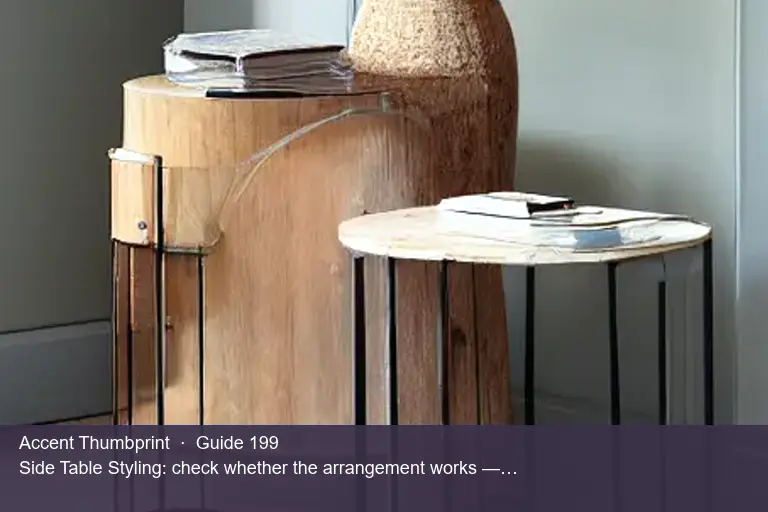
Side Table Styling: check whether the arrangement works — handover notes for a household handover; setup over six weeks
Side table styling is an essential element of any home decor, yet it can be a challenging task. Whether you're a seasoned homeowner or just starting out, knowing how to arrange side tables can help you create a cohesive and functional space. In this article, we'll explore the basics of side table styling and provide you with tips on how to arrange your furniture effectively. Additionally, we'll cover the importance of handover notes for a household handover, and how to prepare for a six-week project plan.
Before we dive into the details, let's start with some basic principles of side table styling. The ideal side table is a striking focal point that complements the rest of the decor in your home. It should be large enough to hold items like books, a coffee table, or even a TV. The table should also be easy to sit and move around, with a sturdy base to support the weight of the items you store on it.
Now, let's dive into the details. The first step in arranging a side table is to consider the size and shape of your living space. This will help you determine the appropriate size and shape of the table to fit the room's space. For example, a small living room might need a smaller table, while a larger living room might need a larger table.
Next, you'll want to decide on the color and style of your table. A simple white or beige color is great for a fresh new look, while a more ornate or modern style can add a touch of elegance to your space. Consider the materials you have available, such as wood, metal, or glass, to make your design unique.
The next step is to decide on the materials of your table. You'll want to choose materials that are easy to clean and will last longer than your furniture. For example, wooden tables are a great choice for a rustic look, while metal tables offer a more contemporary look.
The final step is to decide on the placement of your table. A side table should be positioned to the side of the room, away from the other furniture, to create a sense of space and flow. You can also place a side table at the end of the living room to create a focal point.
Now, let's talk about handover notes for a household handover. Handover notes are documents that a household handover provides to the new owner, often in the form of a written summary of your previous living situation. These notes are essential to the process of handover as they allow the new owner to understand your living situation and plan accordingly. These notes are typically provided in the form of a document that includes information such as the address of your home, the date of the handover, and any changes in your living situation.
Now, let's talk about the importance of handover notes for a household handover. Handover notes are crucial documents that provide the new owner with information about your living situation, including any changes in your living situation.
Lastly, let's talk about the importance of handover notes for a household handover.
In conclusion, arranging a side table is a challenging task, but with the right tools and techniques, it can be a rewarding experience. Whether you're a seasoned homeowner or just starting out, knowing how to arrange your furniture effectively can help you create a cohesive and functional space. Additionally, handover notes for a household handover are important for a successful handover, and can help ensure a smooth and seamless transition. So, the next time you're arranging a side table, make sure you're using the right tools and techniques to ensure it works for you.