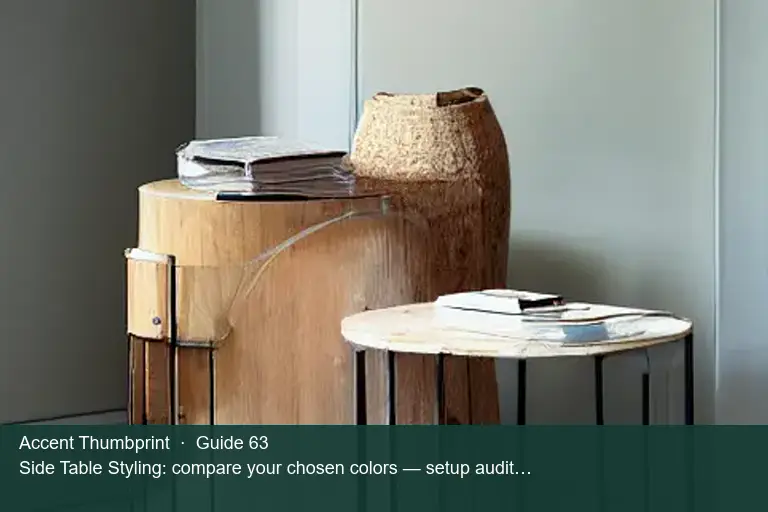
Side Table Styling: compare your chosen colors — setup audit for a narrow display area; setup over six weeks
Side tables are a great investment for your home décor, offering a unique and functional space that can transform any living room or bedroom. When choosing colors for a side table, it’s important to consider the overall aesthetic and the specific needs of your living space. In the case of a narrow display area, it’s crucial to select colors that will allow the side table to stand out without being too bold or distracting. Below are some tips for selecting the perfect color combination for a narrow display area:
- Start with a foundation color: Choose a color that complements the existing decor in your room. For example, if your living room is a bright white, you could opt for a dark green or olive drab to create a sense of depth and depth.
- Consider the light and dark tones: Choose a color that will make the side table appear more light and airy. For example, a pale blue or a light gray can make the space feel more open and airy.
- Use a contrasting color: To highlight the side table, select a color that contrasts with the existing decor in your room. For example, if your living room has a white wall, you could choose a dark red or a burgundy to add a pop of color.
- Experiment with complementary colors: Incorporate complementary colors to create a more balanced look. For example, a light beige with a dark brown or a light green with a dark blue can create a harmonious and balanced look.
- Use a neutral color: If you want a more neutral look, consider using a neutral color like white, gray, or beige to create a clean and uncluttered appearance.
By following these tips, you can create a side table that is both stylish and functional, making it an attractive addition to any living space.
Use this guide